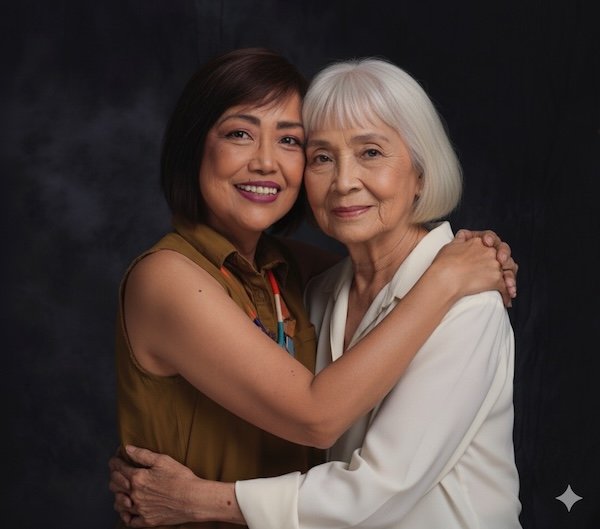
In the Philippines, there’s a loud script for people of a certain age.
It expects us to shrink. To be grateful for being allowed to speak. To accept the role of frail, dependent, and quiet.
My daughter recently wrote a piece on ageism. She pointed to research that labels Southeast Asia as highly ageist, then connected it to something many of us grew up with: the way we’re trained to see older people as people who “can’t.” Can’t work. Can’t walk. Can’t keep up.
And our media reinforces it, either through the “cranky lola” stereotype or the senior as a tragedy waiting to happen.
But that script doesn’t fit everyone. It definitely doesn’t fit me.
The trolls

I see the ugliest version of this mindset online. It is so toxic.
Whenever I post an opinion on then twitter (now x), especially one people don’t like, the comments come fast. And they often go straight for the same jab:
“Shut up, matanda.”
“Gurang.”
It’s meant to shame. To suggest that age cancels credibility. That the minute you’re older, your mind is expired and your voice should be packed away.
What they’re really doing is trying to use age as a muzzle.
And I refuse.
Not because I’m trying to prove anything to strangers, but because I’ve earned my voice. I’ve lived enough to know what I’m talking about, and I’ve worked too hard to let a lazy insult decide my place in public conversation.
From 160 to 117: A long, quiet decision
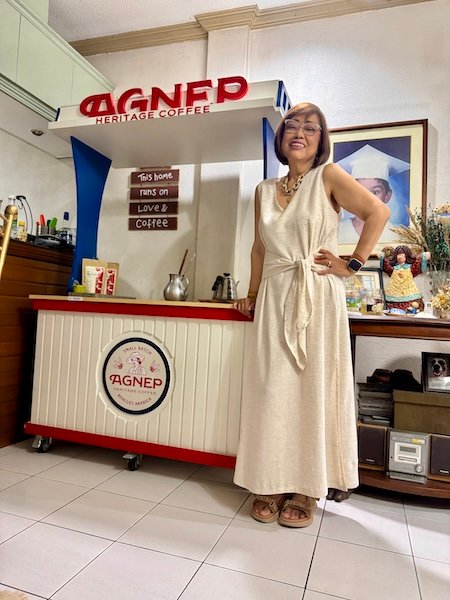
The “frail” label doesn’t stick to me for one simple reason: I’ve been choosing health on purpose for a long time.
Since 2005, I’ve been on a holistic wellness path. Not a quick fix. Not a one-season glow-up. A real lifestyle shift that took patience, discipline, and consistency. Over time, I moved from 160 lbs to my current 117 lbs.
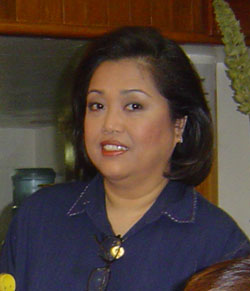
Borderline obese in 2003
I’ve walked 10,000 steps since 2015, yes. But my wellness isn’t just a step count.
It’s the energy to manage my farm.
It’s the discipline to protect my health.
It’s the confidence to show up as myself.
And yes, that includes how I present myself. I dress fashionably. I still put on makeup, not for anyone else, but for me. Because when I look good, I feel good. It’s not vanity. It’s agency. It’s my way of saying I’m still here, and I still get to decide what “being older” looks like.
When society tries to push me into the “invisible matanda” corner, I choose to stay visible. Sometimes that means sneakers and sweat. Sometimes that means lipstick and a good outfit. Often it’s both in one day.
In the home office, on the farm, still here
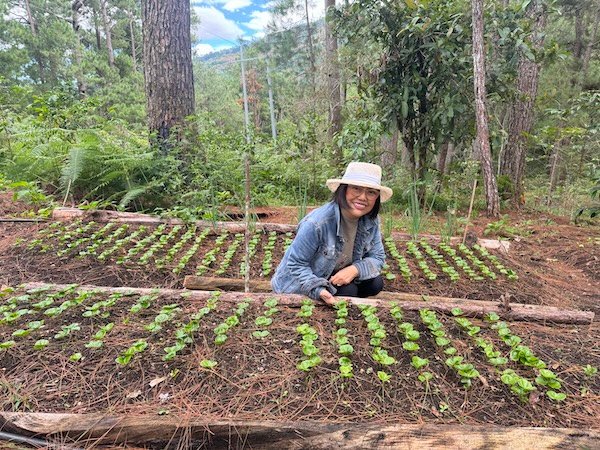
I am not “waiting to die,” as people sometimes assume of my generation.
I’m busy living.
– In the home office: I keep writing. I keep thinking. I keep posting. The work of good governance continues, and experience is not baggage. It’s an advantage.
– At Agnep Coffee Farm: I stay active and involved. Physical work doesn’t scare me. It steadies me. The land demands attention, and I like meeting that demand.
– In my own standards:I take care of myself, health, appearance, the whole thing, because I refuse to disappear just to make other people comfortable with my age.
The “Parents Welfare Act”
This mindset isn’t just online. It’s showing up in policy.
There’s a proposed “Parents Welfare Act” that would penalize children who fail to provide for their aging parents.
I disagree with that direction.
Do not put this burden on our children.
Yes, family support matters. But turning care into a legal threat is not caring. It’s pressure. It assumes that every family shares the same capacity, income, history, relationships, and level of emotional safety. That’s not real life.
And as parents, we also have a responsibility here. We should not plan our later years around guilt and obligation. As much as possible, we should have prepared for our own golden years, allowing our children to build their lives without carrying fear, shame, or legal risk.
If the goal is dignity for older people, then build dignity into the system:
- stronger pensions and income support
- accessible healthcare and medication
- community-based services and long-term care support
- better coordination across agencies so seniors aren’t left to “figure it out” alone
Penalizing families becomes a shortcut. It looks decisive on paper, but it’s a poor substitute for a government that won’t build a real safety net.
So here I am
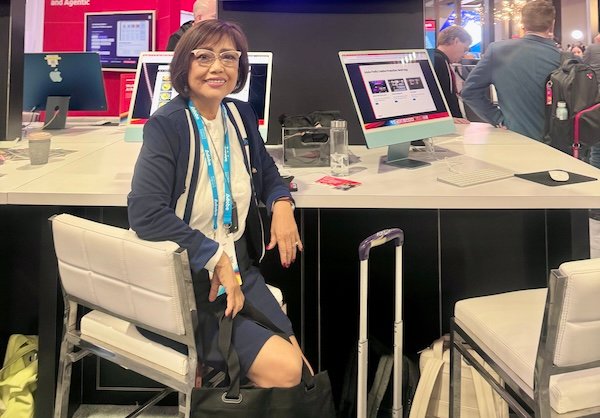
To the trolls: my age is not a cage. I am 117 pounds of health, resilience, and lived experience. I will not “shut up.” I will not stop writing. And I will certainly not stop walking.
To my fellow seniors: don’t accept the labels they throw at you. Don’t play the role they assigned. If you want a quiet life, take it proudly. If you want a loud one, take that too.
Our later years are not a waiting room. They’re still ours.