Google shares wellbeing tips

Use your voice 
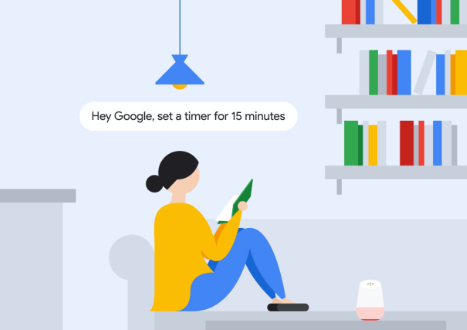
It is hard to put the phone down once you have held onto it. To minimize getting distracted by your device, you can activate voice command with Google Assistant so you can easily ask for verbal help to complete your tasks. For instance, to avoid getting “trapped” by using your phone when you only need to check the time today, you can simply say, “Hey Google, what time is it?” You can also use Tagalog, “Hey Google, anong oras na?”

With custom or ready-made Routines, you can add voice cues to trigger several actions with one command. For example, you can set, “Hey Google, good morning”, and have the Google Assistant tell you the weather, your upcoming events, open your alarm, and much more.

Google Assistant is built-in to some Android devices and as an app, it can be downloaded on Play Store and App Store.

Find active alternatives

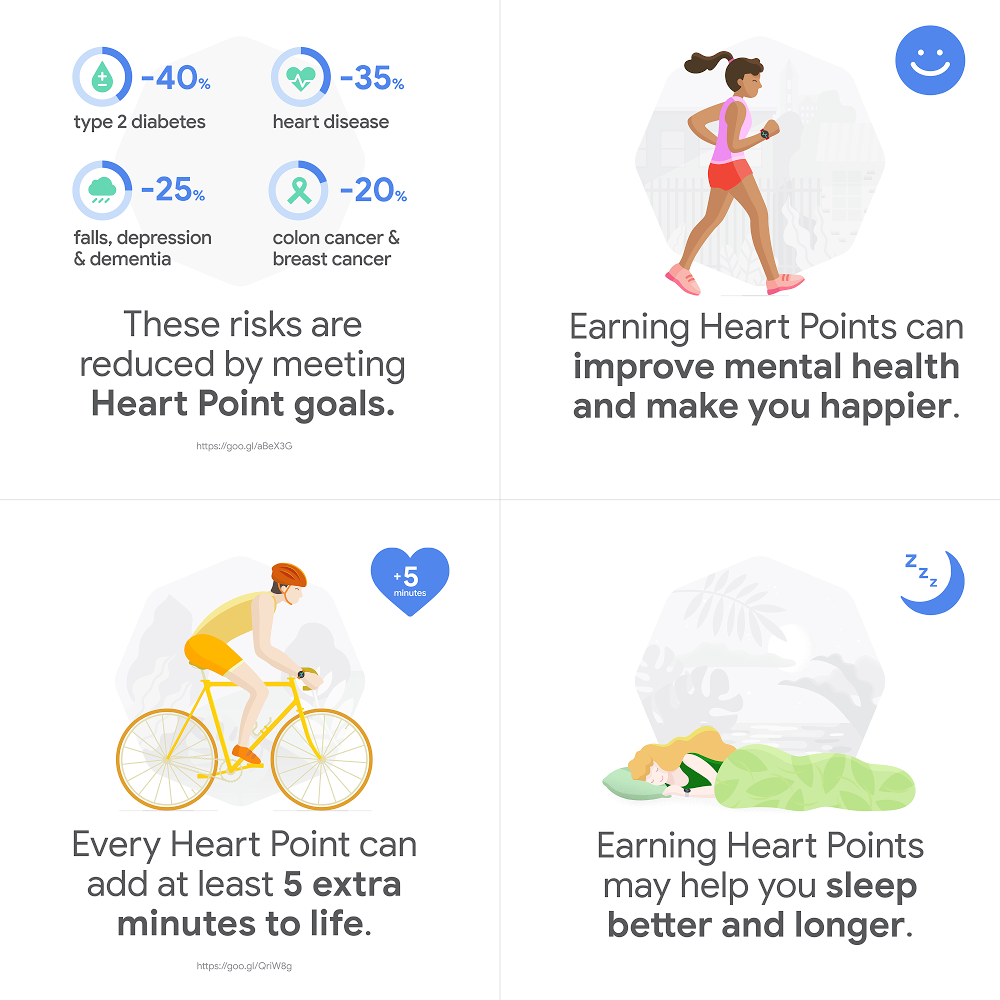
Working remotely means getting many video calls and to avoid fatigue, you should schedule breaks in-between virtual meetings to rest your mind.  The World Health Organization recommends getting at least 150 minutes of physical activity per week. Get up from your workstation and add a physical activity such as a quick run, bike ride, or take a walk while answering a call. To monitor if you are doing enough movement, you can use the Google Fit app to keep track and earn heart points. No matter how big or small your movement is, it has tremendous health benefits which improves mental health and helps you sleep better. The Google Fit app can work without any wearable device.

Discuss and plan tech use with kids

If you have kids, it is important to monitor their online activities and daily screen time. You can find numerous kid-friendly content online and you can use it to plan out their activities for listening, watching, and playing on their devices. Use this family guide to initiate conversations with your children to find out about content they like, talk about smart online habits, and other digital topics.

Intentionally detach from and reattach to work

Knowing how to balance time for work and leisure helps maintain one’s satisfaction with their overall wellbeing. Before jumping to your tasks, take a few minutes to review your to-do list and go through goals for the day so you will not have a hard time focusing. It is also helpful to create a dedicated workspace at home where you can concentrate on your tasks during office hours. During break time, turn off notifications and place your laptop out of sight so you will not be distracted to check work emails or join a last-minute video meeting.

Create a consistent bedtime routine

Whether on weekdays or weekends, train your body to go to bed and wake up on a schedule to establish a strong circadian rhythm and improve the quality of your sleep. You can use a sleep tracker to create a regular bedtime routine and monitor how many hours you need and track when you naturally wake up. Android’s Bedtime mode can help set a bedtime schedule which automatically turns on the Do Not Disturb feature and fades the screen to grayscale at your chosen time.

It is also recommended to put away phones to fall asleep easier and sleep better. Being exposed to blue light can have a negative effect on one’s natural sleep cycles by delaying release of melatonin and increasing alertness. Instead of using your device in the bed, try reading a book or listening to an audio program to lull yourself to sleep. Start with having 30-minutes of screen-free time, and work your way up to two hours or more until you are comfortable without using your phone before bedtime.

For more digital wellbeing resources, visit wellbeing.google.

Virtual reality (VR) reports surfaced in my newsfeed after lockdowns took place around the world. Bloomberg’s April 21 article, “Zoom parties are so five weeks ago: Hello virtual reality,” grabbed my attention. Oh yes, whatever happened to my Oculus Go? This standalone VR headset, which I purchased in 2018, gathered dust already because reality kept me away. As community quarantine is now the new normal, I explored video conferencing apps, including social virtual reality, to cope with this work from home situation. After inviting my sisters over to my Oculus Room, I found out Facebook removed this interactive space for friends to hangout. I missed the Oculus Rooms, because it was my home in virtual reality. In this space, I invited Facebook friends, customized my room with photos, watched movies, played games like riding the rollercoaster together, or listening to music and so much more. Horizon would replace Oculus Rooms, but there is no set date for its release.

My sisters and I in virtual reality using vTime and our Oculus Go Headsets

In my quest for social VR alternatives, I explored AltSpace VR and vTime XR. The vTime XR provided amazing destinations and better-looking avatars. My sisters and I unpacked our dusty Oculus Go headsets and traveled to many locations. In virtual space, the avatar representation with the audio gave the impression of having my sisters right beside and in front of me. Each destination could only seat four and since we are four sisters, we could chat virtually at unique places together — sunset at the beach, zen garden, under the sea, space station, TV studio or the edge of a mountain — not for agoraphobes, believe me!
At the terrace of a Parisian apartment overlooking the Eiffel Tower, we chuckled at each other’s fashion statement. We promised each other that every time we meet, we would diversify our fashion choices. The vTime likes to think of itself as a “sociable” network, rather than a social network. Users without a VR headset could join sessions via “Magic Window” mode on Android and iOS phones. As a cross platform, all user avatars support audio lip syncing and avatar eye tracking. One could use the network’s library of virtual emojis “vMotes” allowing users to express themselves. Not enough time to get addicted with Oculus Go because the headset defaults into shutting down after two hours. A friend who only used her headset after getting it as a present a year ago, squealed with delight as she discovered emotional escape not only in social VR, but in a VR immersive fishing game. “It’s nice for after work and I just want to chill out,” she explained. Nature trips and travel to countries around the world in VR is compelling in a time when this unprecedented period of community quarantine deprives us of the outside world. VR cannot replace the outdoors, but it could ferry us away briefly from the boredom of a lockdown. Frontiers in Psychology published a paper on Jan. 15, 2020 and posed the question: “Could simulated nature support mental health?” The study concluded that “nature exposure in virtual reality could provide emotional well-being benefits for people who cannot access the outdoors. Six minutes of nature exposure in mobile VR headsets produced similar effects as six minutes of outdoor nature exposure.” Both conditions were superior to sitting indoors with no exposure to nature. It is interesting to note that “short and isolated exposure to a 360-degree video of nature may provide an emotionally beneficial alternative to visits to outdoor nature in healthy student populations who might not otherwise access restorative outdoor environments.” No wonder I felt great after a session. Even if you don’t have a VR headset, that shouldn’t stop you from a virtual experience. Though my VR experience is only with the Oculus Go and the Oculus Rift, the former is affordable and easier to use. VR headsets fit under one of three categories: mobile, tethered or standalone. Standalone headsets other than my Oculus Go are the Oculus Quest, Lenovo Mirage Solo with Daydream, HTC Vive Focus and Vive Focus Plus. Google Daydream, Nintendo Labo VR Kit and the Qualcomm-compatible XR viewers are some of the mobile headsets. Tethered headsets like Oculus Rift S, HTC Vive and Vive Cosmos, Sony PlayStation VR, Windows Mixed Reality and Valve Index present the most immersive experience but could be pricey and clunky. The easiest way to watch VR is with a smartphone like I mentioned with the vTime social VR. One could still enjoy a VR Light experience by checking out selections of 360 and VR180 videos on YouTube or even Facebook 360 videos. Entry level Google Cardboard puts virtual reality on your Android and iPhone. Download the app and get a Google Cardboard viewer on Lazada or Shopee. VR as the platform of tomorrow is still a niche market, but this global pandemic might just push its widespread use. First published in Hello, Virtual Reality at Sunday Business & IT, May 17, 2020

Going out of our homes is challenging these days, especially for those without transportation. Other places observe enhanced community quarantine (ECQ) that limits movement outside their homes. But with the crisis lie opportunities for enterprising Filipinos, who filled in the needs of people while making money at the same time. Shopping for necessities is very convenient for those with access to a community group on Facebook or Viber. It’s a win-win situation for all of us as we struggle to cope with our “new normal.”

My husband and I celebrated our 35th wedding anniversary a few days ago and I wanted it to be extra special. How do I now order a cake?  Booking from GrabFood or Lalamove often failed me at the start of the Luzon lockdown, so I ditched that alternative. Viber and Facebook Marketplaces sold goods or offered services, but delivery costs were not worth it if the items cost less than one thousand pesos.  I turned to my village community group on Facebook.  Settings set to private and a threaded conversation allows ease of use. Over 4,000 members comprise our village marketplace. Vendors or personal shoppers from adjacent villages joined to add to the diversity of products and services. One of them could deliver cakes from a well-known bakery. I realized that the enterprising neighbor adds on a service fee, but that’s fine with me.  Helping a neighbor is helping my community. And it helped that the cake made my husband smile.


For the past six weeks, I purchased two electric fans, a prepaid Wi-Fi for backup, pork, fish, vegetables, chicken, neoprene face masks, face shields, kimchi and many more. The value-added benefit of our village marketplace is that they bring most items to the house without additional costs.  I am impressed at the items sold such as prepared meals, home-baked bread, kakanin, lumpia, fruits and snacks. Someone sells shrimp, Korean food, pet food and even rubbing alcohol. Another provides cleaning services for air conditioning units and even plumbing services.  “Pabili” services (errand services such as “Buy/get this for me and deliver to me, please!”) are thriving in my community marketplace. Examples are pa-grocery, pabayad bills and pabili (errands such as grocery shopping, bill payments and buying something.) How helpful to our senior citizens or those who don’t have a ride. I ordered from a neighbor who collects pizza orders and delivers them on cash on a delivery basis. An advantage of a Facebook community group is that the honor system works. If a buyer or seller doesn’t fulfill his promise, the entire group would know about it (without mentioning names). Everyone strives to be a good neighbor.

Buy or sell new and used items are on the Facebook Marketplace. A friend got a few products from there and the sellers she encountered are reliable. “You could check their profiles to see if they’re legit. You could also report erring sellers/buyers to Facebook. It’s also location specific, which is a useful way to narrow your search,” she said. I limited my search to a 5-kilometer radius when I canvassed for an LED TV. Getting quotations from five sellers helped me narrow down my choice. The problem was that our security guards refused entry because it is not an essential item or service. I had to drive outside the guard house to pick up my order.

Over 7,500 members are at the Pasig Residents’ Viber Marketplace, where I browse for things I might need. Scrolling through so many posts is tiring. One tip to backread posts is to look for the media library and check out the posted infographics.  The admin created an excel sheet that categorized food, drinks, donation, grocery, health, hotlines, LPG, market and others. The only time I used this marketplace was when I bought vitamin C with zinc capsules from an online pharmacy in Manila. Most of the drugstores ran out of stock, and this one could send through a courier where I had to shoulder the P240 delivery cost. The question is, how reliable are these sellers? The best recourse is to communicate with the vendor and canvass other sources. Know your product and weigh opportunity costs.

Friends have used Lazada and Carousell for their shopping essentials, but I have yet to purchase from these platforms. I still prefer the village marketplace because this is my community sharing resources. The community is not just a group of people living in one place. Neighbors help each other. I want to help the mothers who comprise a bulk of the sellers. Entrepreneurship may not be for everyone but, perhaps some mothers could harness the power of technology to seek innovative ways to augment household income. Many are out there searching for great deals and a variety of products. Imagine the possibilities of the market.

Happy Mother’s Day.

First published in Sunday Business & IT, May 10, 2020

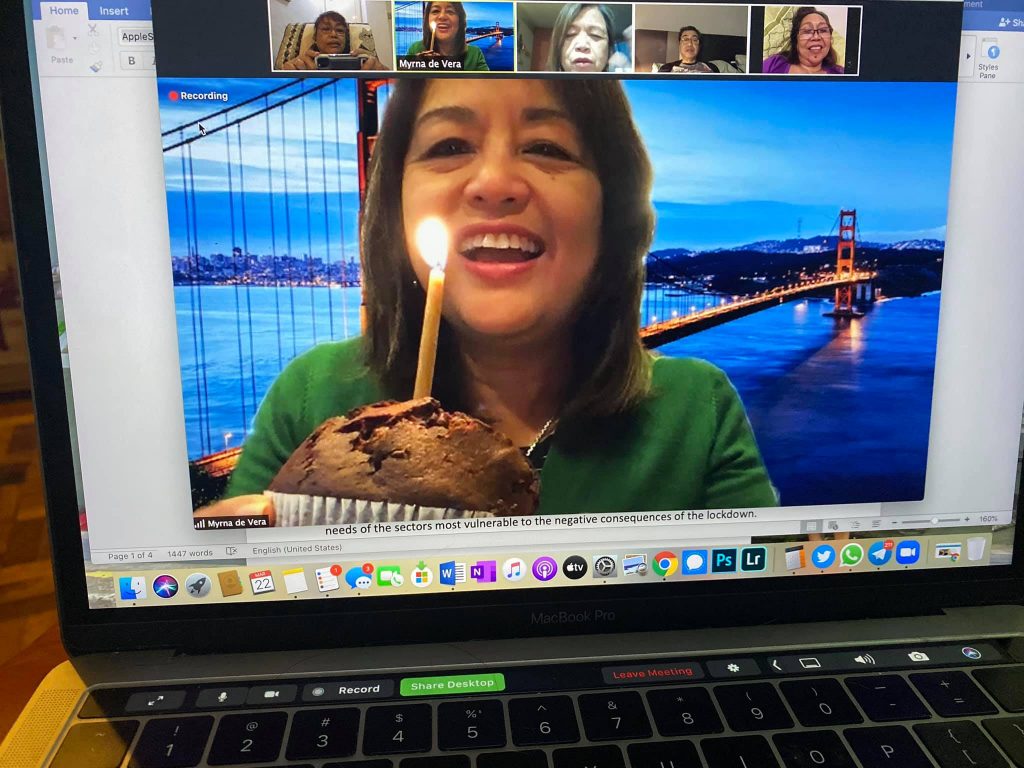
I received an email invitation for my sister’s birthday party with an instruction that each one should bring a cake. The catch is that all four siblings would carry each cake with a lighted candle as we sing “Happy Birthday” over Zoom, a videoconferencing service.
Customizing my virtual background to a cheerful “Happy Birthday” graphic not only brightened the celebration but also covered up the clutter behind my back.

For two hours, we laughed and cheered on each other, wondering how long we would have to stay at home. Sharing tips was a breeze with the “share screen” feature. A sister showed off a YouTube video on her laptop of an exercise that entails just walking around the house.
Sure, we might just be behind our laptops or mobile phones in virtual space, but the memorable celebration lifted our spirits. Life goes on as we attempt to gain a sense of normalcy, and try to get innovative with our social lives.

Nearly overnight, the coronavirus pandemic transformed everything about the way people are supposed to interact. Last week, the World Health Organization changed the phrase “social distancing” to recommend “physical distancing,” encouraging people to stay connected via social media. Physical distancing is the key, not social distancing. Now more than ever, we need to collaborate, be connected with each other and care for one another.

Adjusting to the self-isolation and remote working, including hearing news of coronavirus cases could bring anxiety, helplessness, anger or sadness.  People want the face-to-face contact to affirm that we would be all right as long as we take care of ourselves.

Remote working apps and platforms gained a huge traction because of the work-at-home arrangement. Zoom is now the talk of the town as more self-quarantined individuals discovered that it could be more than a venue for videoconferencing, online meetings, chat and collaboration. One could “hang out” after a virtual meeting.

Though Zoom is free to use, I purchased the $14.95 (about P762)-plan for a longer meeting time for three or more persons. Zoom’s free version allows up to 100 people to join a video meeting together for up to 40 minutes and unlimited one-to-one meetings. Who wouldn’t want to extend the time to be together?

My husband hosted a Zoom meeting with his staff to see if they would like to meet online other than just chat on their Viber group. I helped him navigate through the “New Meeting” menu and copied the invite URL and shared to their group chat.  But first, participants needed to download the Zoom Cloud Meetings app.  Registration is optional if settings don’t require it. Even if you don’t need a Zoom account to join a meeting, you might as well register so you could also host your own virtual meeting. With an invite link, it connects the participant to the Zoom meeting through the app. The cheerful chatter and smiles of the over 20 people continued on long after the meeting was over.  As a host, you could assign the host controls to another user and leave the meeting. If the original host is a licensed user, the meeting continues on for an unlimited time, even if the new host is a free or basic user.

If you look for “Zoom coronavirus” online, the search engine results lead you to several news articles on its use outside remote business meetings and online coursework. A concert of performing artists, a Frozen-themed birthday party, friends marrying are happening on Zoom. Aside from parties, people have tuned in to church services, meditation or art shows. They call themselves the “Zoomers.” College students in the United States are going on Zoom blind dates. Even the House of Representatives used Zoom for a special session to deliberate the Bayanihan to Heal As One Act.

For sure, there are other video conferencing apps like Google Hangouts Meet, GoToMeeting, Skype and Microsoft Teams. Video chat apps on Facebook Messenger, WhatsApp, Viber and many more work, too. But why Zoom?

“Zoom is known for its reliability, avoiding long outages that discourage repeated use, and it doesn’t have the latency that makes some services painful for extended conversations” says Jordan Novet of CNBC. Most of all, Zoomers, like myself, find it simple and easy to use. Excuse me, as I zoom in to another virtual party.

First published on Sunday Business & IT, March 29, 2020

coronavirus
This scanning electron microscope image shows SARS-CoV-2 (yellow) among human cells (pink). This virus was isolated from a patient in the U.S. (they have added Color to the image to better show the virus and its environment.)
(Image: © NIAID-RML)
For the past month and a half, I have been glued on Twitter to read the latest updates on the fight against Coronavirus disease COVID-19 or otherwise known as #coronavirus on Twitter. I have been meaning to compile a lot of helpful tips but saw that Alistair Miles, a Malaria researcher at the University of Oxford and Wellcome Sanger Institute compiled a helpful list. His advice on coping with COVID-19 is very helpful. In his twitter post, he shares “I’ve gleaned from folks who’ve worked in or studied other epidemics. Please take seriously and pass on to family and friends.”

1. Many countries like UK are currently in containment phase. But likely at some point infection will start spreading via local transmission. At that point, top priority is to slow the spread, and what we do as individuals and communities will be critical.

2. Fortunately risk of serious illness is low, especially for children. But risk is higher for elderly and people with existing health conditions. Everything we can do to slow the spread will help protect people at higher risk, and less people overall will get infected.

3. There are practical things everyone can do to reduce the risk of getting infected. These need practice, so start doing them now. You may still get infected, but it is worth really trying to avoid infection, because the more we slow spread the better. Slow the spread, buy time.

4. Stop touching your face. Especially stop touching your eyes, nose or mouth. This is much much harder than it sounds, and takes practice. But if you start practising now, you will quickly get a lot better at it.

5. Wash your hands often. Wash with soap and water for 20 seconds, or rub hands with alcohol hand gel. Especially wash hands before eating or touching food.

6. If you or a friend or family member takes any prescription medication, make sure you have a good supply, e.g., at least 4 weeks worth.

7. Don’t panic buy enough food to survive a zombie apocalypse. But do buy a few extra provisions. Do it a bit at a time, add a few extra things in when you normally go shopping. Have 2 weeks worth of provisions, including some chocolate or other treats. Don’t forget about pets.

8. When local transmission does start, keep your distance from people, at least 2 metres. Especially people showing symptoms, but some people may carry the virus and transmit without symptoms, so generally keep some distance where you can. Stop shaking hands etc.

9. While a mask seems like a good idea, it can give a false sense of security. There isn’t a lot of good evidence that shows a mask to reliably prevent infection when worn by the public. But they are useful to put on a sick person to reduce their spreading of the virus.

10. If you or a loved one becomes sick, follow the practices of the day. Call ahead before going to a Doctor, fever clinic or hospital and get advice on what to do. Think through now how to take care of sick family members while trying not to get infected.

11. Talk things through with friends and family. Be prepared that some people will be very willing to talk about it, others may be reluctant or frightened. But general advice is that it’s a good way to prepare emotionally for life not as usual.

12. Unfortunately it doesn’t look like this will be over quickly. The new coronavirus may be with us into next year. It might even become a seasonal infection, returning each winter. This is probably going to be a marathon, not a sprint.

13. If you end up stuck at home for a couple of weeks, don’t forget about skype/facetime/google hangouts/etc., a great way to catch up, check in and hang out with friends and family.

14. If you manage a business or organisation, cross-train key staff at work so one person’s absence won’t derail our organisation’s ability to function.

He suggests further reading from these sites: So you think you’re about to be in a pandemic? and Past Time to Tell the Public: “It Will Probably Go Pandemic, and We Should All Prepare Now”

Alistair also shared who to follow on Twitter:

I would like to add that there is also a lot of misinformation going on about cures. Read World Health Organization Coronavirus disease (COVID-19) advice for the public: Myth busters

I will update the list here once I find something useful.

To avoid unnecessary panic and anxiety, refrain from relying on social media. Check for Philippine updates on the following websites:

https://www.doh.gov.ph/2019-nCov

https://www.who.int/emergencies/diseases/novel-coronavirus-2019

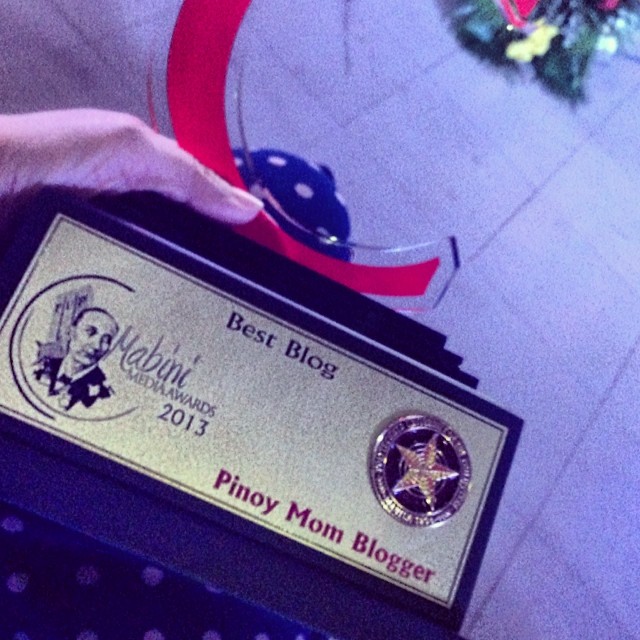
Momblogger, my online name is more popular than this blog. I never imagined that blogging would open doors to a new life, a new career , a new normal as a social media practitioner. This blog post is a throwback. Six years ago, the Polytechnic University of the Philippines (PUP) selected me, Mom Blogger as “the Best Blog”. My past recognition was mostly about this blog’s grief journey so this award is memorable.

—-

Tired with my hectic day yesterday, I sipped fruit tea at the gym’s lounge. I didn’t realize I fell asleep until a phone call from Noel awakened me.   He prodded me to check my email, and I told him I will do it once I reach home. Maybe he could not contain his excitement because he then told me I received an award from the PUP Mabini Media Awards. Still dazed from my catnap , I asked “Are you sure it’s me?”

Noel said : “Yes, mom blogger… check the email”

best blog Mabini Media Awards

I checked my email and indeed it was true but I still remained skeptical . I was only addressed as “Mom Blogger” on the letter. Maybe because I am known for my social media name more than my real name.

In 2013, the Polytechnic University of the Philippines, through the College of Communication, launched its first media recognition called the PUP Mabini Media Awards. With over 40 categories in five media flat forms – television, radio, print, advertising and online media –the award giving body commends outstanding programs and individuals in the said fields.

We are proud to announce that from more than 12,000 voters, you won the Best Blog

In this view, may we invite you to the awarding ceremonies on February 13, 2014, 2:00 p.m. at the PUP Bulwagang Balagtas, NALLRC. The awarding ceremonies coincide with the 3rd Young Communicators’ Congress of the College of Communication.

I sent an SMS to Polytechnic University of the Philippines (PUP) Dean Edna T. Bernabe to verify if indeed the award was true . I finally got a confirmation at around midnight today.

PUP Mabini Media Awards

I didn’t realize the Awarding ceremonies and the 3rd Young Communicators’ Congress would be this huge and grand. I nearly teared as I walked down the aisle because of the awesome music. I recorded my reaction in my Bubbly Audio post.

I was told by the Dean that the students decided on the nominees. The selection of winners came from the voice of some 12, 436 students of PUP who voted by their Student Information System (SIS) account. I am grateful to the PUP students for recognizing my work on social media. My role as mom blogger is to nuture not only my family but the community so that the future citizens will have a better future. This fourth award is such a big honor because I did not have to solicit and ask friends to vote for me (unlike other nominations where popularity voting counts). The last honor given to me was seven years ago as “Winner, Best Website, Blogs Category- 10th Philippine Web Awards- November 23, 2007”.

PUP Mabini media awards best blog

Thank you so much , PUP community.

best blog for PUP Mabini Media Awards

The other winners:

In the new media category, the other winners were : ABS CBN – Best news portal ; Google – Best Search Engine and Facebook- Best Social Media.

Kudos to all the awardees of the 1st PUP Mabini Media Awards.

( I will get the complete list of winners but here are some of the photos I took)

bubble gang Mabini Media Awards
Bubble Gang, Best Comedy show

kim atienza
Kim Atienza for Best Television Educational Program – Matanglawin

eat bulaga
Eat Bulaga, Best Noontime show

Here is the acceptance speech from Ryzza Mae from my Bubbly Post

umagang kay ganda Mabini Media Awards
Umagang Kay Ganda, Best Morning Show

mel tiangco
Mel Tiangco

soco
SOCO,Best TV Public Affairs Program

be careful with my heart
Be Careful with my Heart, Best Television Drama Program

Ryzza mae dizon at the PUP Mabini Media Awards
and a selfie with Ryzza

mabini media awards

42 categories within five media, the winners are as follows.

via marcacepalaganas.blogspot.com

PUP Mabini Awards for Radio:

Best Radio News Program : Gising Pilipinas!- DZMM
Best Radio Public Service Program: Aksyon Ngayon- DZMM
Best Radio News Commentary Program: Dos Por Dos- DZMM
Best News Program Host: Ricky Rosales
Best Public Service Program Host: Julius Babao
Best Radio News Commentary Program Host: Anthony Taberna
Best FM Radio Program: True Love Conversation (TLC)- 90.7 Love Radio
Best Male Radio Jock: Papa Jack- 90.7 Love Radio
Best Female Radio Jock: Nicole Hyala- 90.7 Love Radio
AM Radio Station of the Year: DZMM- ABS-CBN
FM Radio Station of the Year: 90.7 Love Radio- Manila Broadcasting Company

PUP Mabini Awards for Print:

Best Broadsheet Newspaper: MANILA BULLETIN
Best Tabloid Newspaper: Pilipino Star Ngayon
Best Entertainment Magazine: Yes Magazine- Summit Media
Best Fashion and Lifestyle Magazine: Candy Magazine- Summit Media

PUP Mabini Awards for Print:

Best Blog: Pinoy Mom Blogger
Best Online News Portal: www.abs-cbnnews.com
Best Social Network: Facebook
Best Search Engine: Google.com

PUP Mabini Awards for Advertising:

Best Inspirational Advertisement: Hurray for Today- McDonald’s
Best Family- Oriented Advertisement: Kuya- McDonald’s
Best Advocacy Campaign: Choose Philippines- ABS-CBN

PUP Mabini Awards for Television: (News and Public Affairs)

Best Television News Program: TV Patrol- ABS-CBN
Best Television Magazine Program: Kapuso Mo, Jessica Soho- GMA
Best Television Public Service Program: Wish Ko Lang- GMA
Best Television Public Affairs Program: Scene of the Crime Operatives (SOCO)- ABS-CBN
Best Television Documentary Program: I Witness- GMA
Best Television Morning Program: Umagang Kay Ganda- ABS- CBN
Best Television Male News Anchor: Ted Failon of TV Patrol- ABS-CBN
Best Television Female News Anchor: Jessica Soho of State of the Nation- GMA News TV
Best Television Male News Reporter: Jay Taruc- GMA News TV
Best Television Female News Reporter: Gretchen Malalad- ABS-CBN
Best Television Magazine Program Host: Jessica Soho of Kapuso Mo, Jessica Soho- GMA
Best Television Public Affairs Program Host: Mel Tiangco of Power House- GMA News TV

PUP Mabini Awards for Television: (Entertainment)

Best Television Drama Program: Be Careful with My Heart- ABS-CBN
Best Television Comedy Program: Bubble Gang- GMA
Best Television Variety Program: Eat Bulaga- GMA and Tape
Best Television Educational Program: Matanglawin- ABS-CBN
Best Television Entertainment Talk Program: Gandang Gabi, Vice- ABS-CBN
Best Television Reality Program: Pilipinas Got Talent- ABS-CBN

PUP Mabini Awards Station of the Year: ABS-CBN

First published at Sunday Business & IT, December 1, 2019

A year ago, I wrote about “12 online shopping sites for your Christmas shopping.” I patronize budding Filipino entrepreneurs or social enterprises because I want to shop for gifts that keep on giving. These 12 online sites are still around and you could still purchase from them. But for Christmas presents this year, I am watching out for food-focused social enterprises that integrate community programs into their missions and address issues such as food poverty, sustainable farming or fair trade.

Food merchants from the BPI Sinag ng Pasko, a Christmas bazaar, will feature products from Filipino social enterprises at the Palm Drive Activity Center, Glorietta 2 on Dec. 11, 2019. You could order on their websites, Facebook pages or visit their booths at the Christmas bazaar.

Amazing Food Corp. (amazingfoodscorp.com)

Health is wealth. L’amor coco-ginger soothing herbal tea, made from coco sugar and ginger have many health benefits. Sometimes, I add coco-ginger to my coffee. Coco sugar is the sweetener I use because of its low glycemic index. Those in keto diet would prefer the coco flour as a substitute for wheat flour.  You could find more coconut-based and other organic products with brand names L’Amor or Santa Maria at Amazing Foods, a natural and organic producer and distributor of Coconut based products. Part of its mission is to educate and assist its farmers and communities on the latest organic practices.

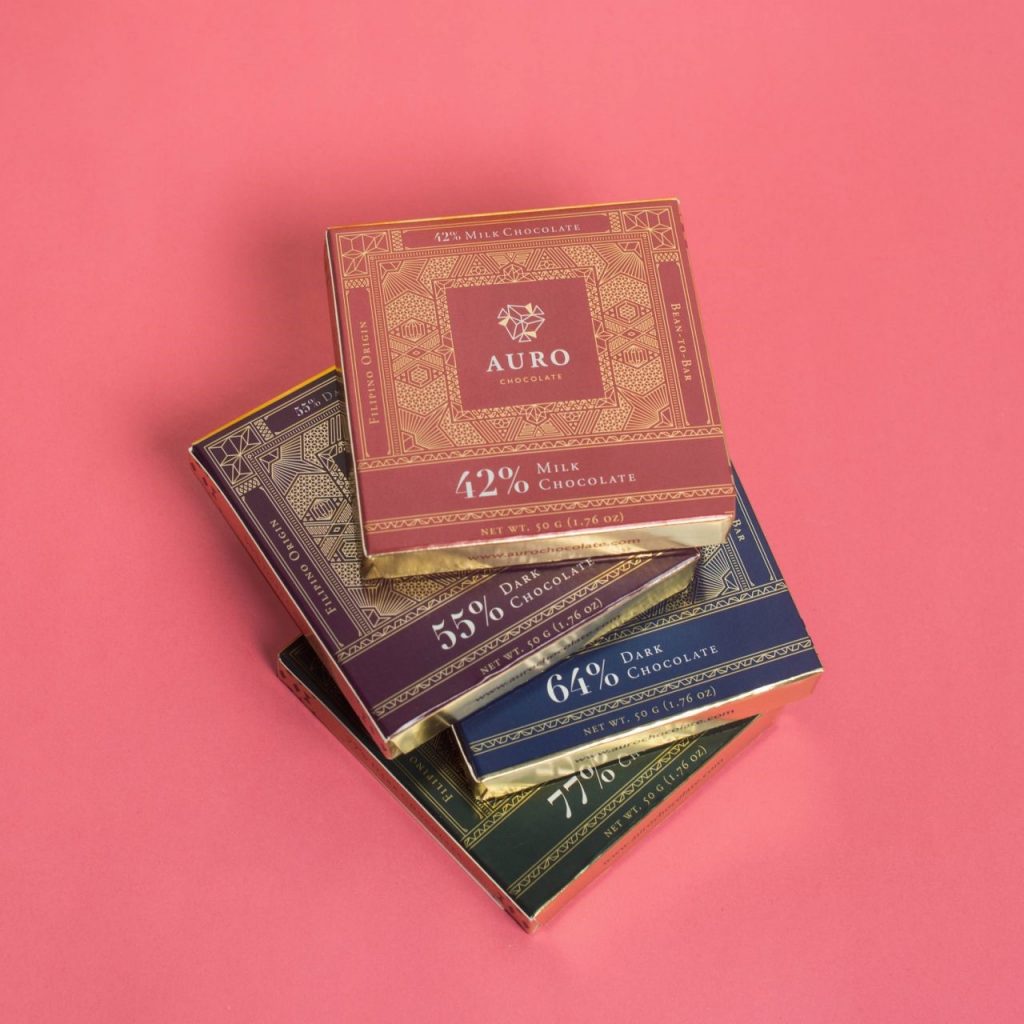
Auro Chocolate (aurochocolate.com)

Philippine chocolates are the most requested souvenir items and a well-loved gift item. Auro Chocolate won four awards for the International Chocolate Awards, World Edition. It is time to get a taste of these award-winning chocolates: 70 percent Dark – Tupi Origin; Dalandan Tarragon Bonbon; 32 percent Moringa (Malunggay) White Chocolate with Pinipig and 32 percent Moringa (Malunggay) White Chocolate with Pinipig. One could order Auro chocolates online through karton.ph, but they are also sold in some stores like Kultura. Auro goes beyond “bean-to-bar” by working with over 10 cacao producing cooperatives and 80 individual farmers representing over 1,000 families and 2,000 hectares of farm land.

Balangay’s Best (balangaysbest.com)

Balangay’s Best is the brand of natural processed and wild-caught sustainable seafood products made by artisan Filipino fishers through Fishers and Changemakers Inc. It is heart-warming to know that the company started at Bantayan Island during the rehabilitation efforts of Typhoon “Yolanda,” to journey with the fishers as they recovered from the typhoon’s aftermath. They have since partnered with some municipalities in Occidental Mindoro, Negros Oriental, and Surigao del Sur. Darling Danggit, Papa Pusit, Mommy Dilis, Baby Bangsi and Seafood Halo-halo are gift items that would support this social enterprise helping Filipino fisherfolk communities.

Kayumanggi Organic (kayumanggiorganic.com)

As a partner of Gawad Kalinga Enchanted Farm in Angat, Bulacan, Kayumanggi Organic encourages and trains their farmers and partners to use only practices that are sustainable. While it also sells coconut-based products, other food items worth buying are Raw Coconut Nectar, Cacao Reál Pouch, or Golden Mango Gelato. You could also order their Homeland Coffee, a blend of Arabica from Benguet, Robusta from Batangas, and Excelsa from the coffee capital, Amadeo.

Saret Organic Farmville (saretorganics.com)

With the help of the Department of Agriculture, Department of Trade and Industry and Department of Science and Technology, Saret Organic Farmville gives support to over eight farmer groups including a farmers’ association it helped establish called Kaanib ng Kalikasan. Try out the Bee Well Raw, Wild Honey made by the bees from the wild forest of Doña Remedios Trinidad, Bulacan.

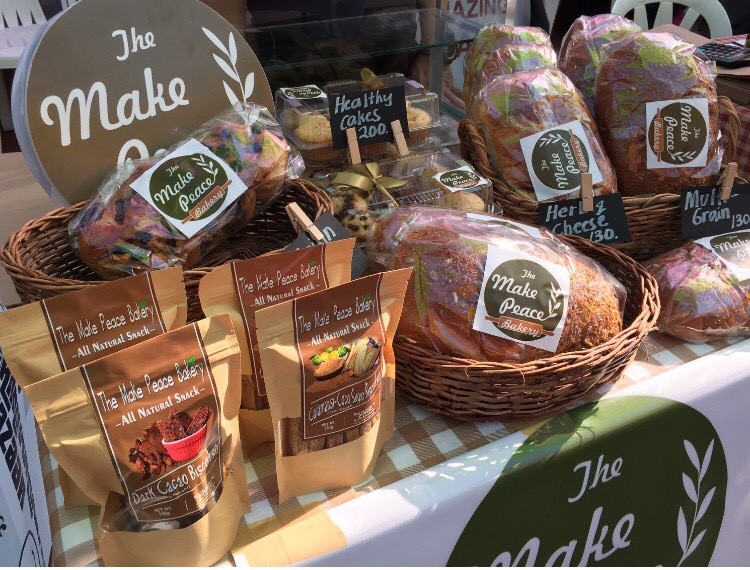
The Make Peace Bakery (facebook.com/makepeacebakery)

Natural and healthy pieces of bread by The Make Peace Bakery, a social enterprise empowering the disadvantaged youth through learning baking and business skills.

Natural and healthy bread are must-have items for Christmas parties. The Make Peace Bakery, Bakers of Change Inc. teaches baking to out-of-school youth as a source of livelihood and serving natural and healthier breads to community. Check out the Biscotso, Raisin-nuts cookie, Ube oats, Banana Choco chip Loaf, or the Banana Blueberry Loaf which you could order online at thegoodstore.ph

While you could shop for these food items online, they are also available at the Sinag ng Pasko. Other than these food merchants, the Sinag ng Pasko is a perfect venue to shop for other Christmas gifts, whether one is a zero-waste advocate encouraging your loved ones to embrace a more sustainable lifestyle or a proud champion of Filipino craftsmanship.

With merchants presenting gift ideas ranging from arts, fashion, food to home essentials, I am sure you would discover stylish and contemporary creations that offer a glimpse of Filipino culture, reusable everyday items built from sustainable materials, upcycled pieces, and food assortments made from locally sourced ingredients.

Having social enterprises in one place would be a faster way to shop, too.

READ : Sustainable and proudly Filipino products for your Christmas shopping needs

Are you looking for Christmas gift ideas? Check out the BPI Sinag ng Pasko, a Christmas bazaar featuring products from Filipino social enterprises, on December 11, 2019, at the Palm Drive Activity Center, Glorietta 2.

With merchants presenting options ranging from arts, fashion, food to home essentials, Sinag ng Pasko will help you find stylish and contemporary creations that offer a glimpse of Filipino culture, reusable everyday items built from sustainable materials, upcycled pieces, and food assortments made from locally-sourced ingredients.

Natural and healthy pieces of bread by The Make Peace Bakery, a social enterprise empowering the disadvantaged youth through learning baking and business skills.


Auro Chocolate is a proudly Filipino, bean-to-bar, and an internationally-awarded chocolate company that sustainably sources our cocoa beans directly from local farming communities in Dava o

White button-down shirt by Candid Clothing, a sustainable clothing enterprise which uses fabric surplus and upcycled materials for cloth and accessory making

Nito Vine bag by Rolyolikha, producer and manufacturer of wall art decor, divider, lampshade, mats, baskets that are made of indigenous materials

Insulated lunch bag by Mori Notes, a social enterprise that employs stay-at-home mothers through creation of innovative journal notebooks, wallets, bags, and purse


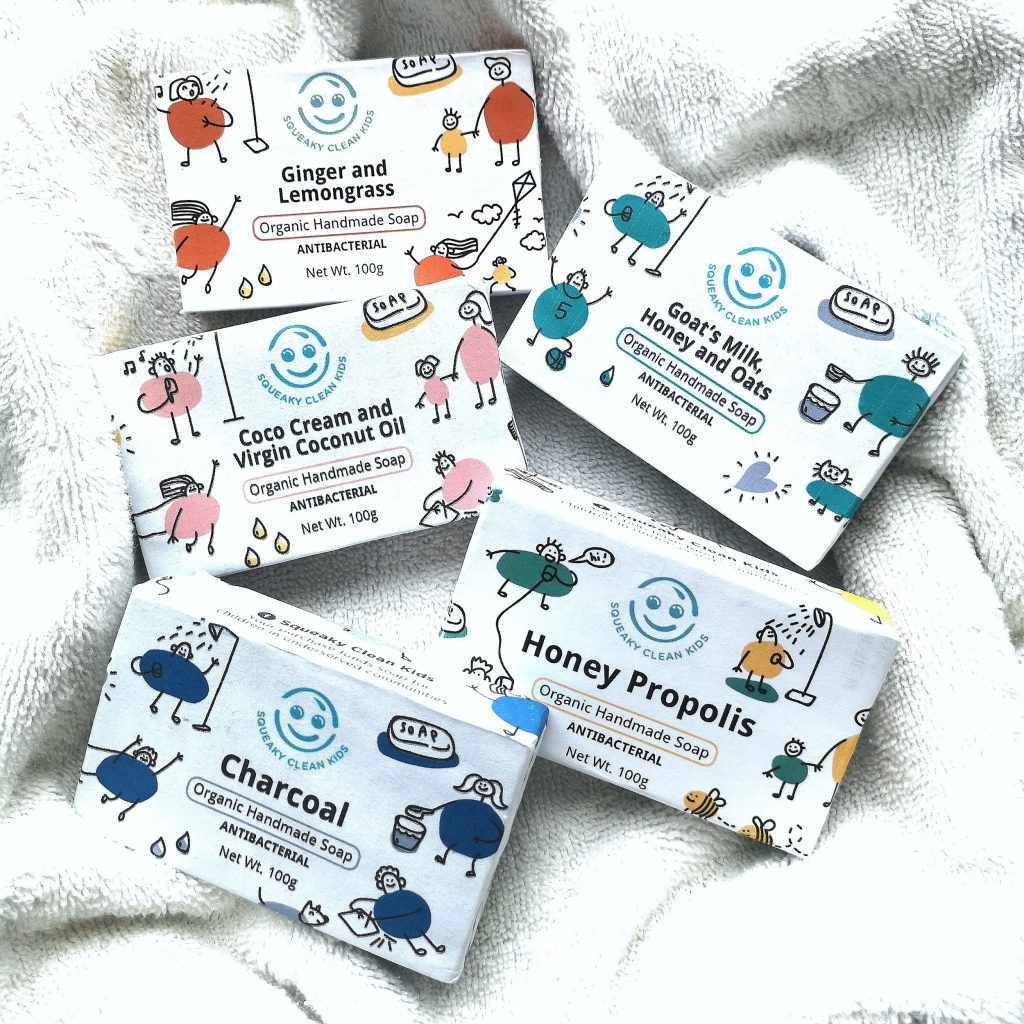
Handmade soaps by Squeaky Clean Kids, a social enterprise that provides hygiene and environmental education, livelihood programs and services to kids and communities in need
 

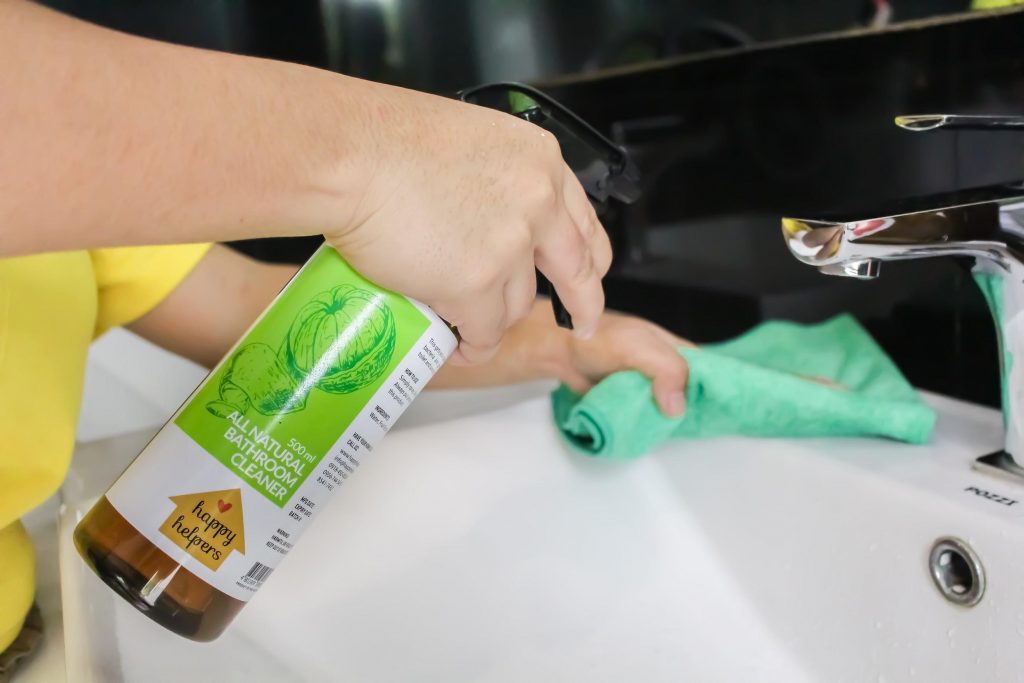
Home-cleaning solutions by Happy Helpers, a home-cleaning service provider by mothers from an underserved community in Taguig under-served

Sinag ng Pasko is a spin-off event of BPI Sinag, an initiative by BPI Foundation to support Filipino businesses with the triple bottom line of people, planet, and profit. With many social enterprises lacking access to the wider market, the bazaar allows them to reach more people in time for holiday shopping.

“We offer Sinag ng Pasko as an ideal venue to look for Christmas gifts, whether you are a zero-waste advocate encouraging your loved ones to embrace a more sustainable lifestyle, a proud champion of Filipino craftsmanship, or simply a shopper looking for unique and beautiful items,” said Maricris San Diego, Executive Director of BPI Foundation. “By bridging social enterprises and conscious consumers, Sinag ng Pasko aims to shine the light on a more meaningful celebration of the Christmas season.  .”

BPI Sinag ng Pasko Christmas bazaar accepts cash and BPI QR code payments.

List of merchants

Assorted offerings Ekolife OFW Marketing CooperativeGot Heart ShopProject Bangkal   Food Amazing Food Corp.Auro ChocolateBalangay’s BestCheche DelicaciesHiraya ChocolatesJulyan’s FarmKayumanggi OrganicSaret Organic FarmvilleThe Make Peace Bakery Novelty Bags and Beads for LifeBudget Squad ManilaCustomMade Crafts Center, Inc.Haven for Women  Jacinto & LirioMori Creations  
Home essentials Accents & PetalsBalaiKamayHappy HelpersSqueaky Clean Kids   Ecotourism SubidaZambawood   Toys Karaw Craftventures  
Fashion and accessory Angie’s YakanCandid Clothing Cooperative of Women in Health and DevelopmentDA BuenasEverything is PineGAD LivelihoodHabi Footwear & LifestyleHera BeatriceINDIMalingkat WeavesRisque Designs/Stride CollectiveRolyolikha at iba pa handicraftsXabukid Trading   Urban farming EARTHFLORA/ Down to Earth  

Think about the times they have underestimated you. I remember friends and even relatives looked skeptical about a web page I created 25 years ago. “Why are you even doing that?” they asked me. I shrugged, “it’s something new. I want to learn from it.” Did I foresee the future of Digital? No, and I wish I did. Rather, I wished I had been braver and believed in myself more. I believe though that I learned from being underestimated and continued on despite the skepticism.

Leigh Reyes, co-chairman of DigiCon 2019, introduced the learning process during the Opening Ceremonies. She also presented seven questions for the 3,500 delegates in the plenary hall. What do you need to do to learn?

– Do you know more about the technology than your boss?

– Would you be adding new schools to your CV before 2019 ends?

– Have you yourself invested in learning new skills this year

– Has your company added a new job in the past year — in its core services?

– Could Artificial Intelligence do at least 30 percent of what you do today?

– What differences do you want to make in the world — and could your skills help you make that difference?

– Are you ready to Lead, Explore, Apply, Practice (LEAP)?

Organized by the Internet and Mobile Marketing Association of the Philippines (Immap), DigiCon adopted LEAP as its theme to solidify its status as the learning and networking experience that unlocks digital marketing excellence for its stakeholders. According to the World Economic Forum, by 2022, the core skills required to perform most roles would change by 42 percent. Imagine knowing your team having only 58 percent of the skills needed to deliver their goals. The 2019 Emerging Jobs in the Philippines Report by LinkedIn stressed that digital competency is in high demand, but so are soft skills. It is better to prepare to evolve than watch the world evolve around you. So, I was there at the DigiCon to continue learning how to LEAP and get inspiration from the keynote speakers.

Wendy Clark, chief executive officer (CEO) of DDB Worldwide in her keynote speech focused on “Bravery, belief and being underestimated,” and how the three B’s helped her career, her agency and brand clients. Curiosity and passion are what’s going to make us brave, she stressed. This is how we’re going to lead. This is how we’re going to challenge and find innovative ways to lead our brands and lead our companies. To be brave, one has to disrupt the status quo. New research from Effie Worldwide uncovers bravery as the biggest differentiator of effective marketing. Traci Alford, president and CEO of Effie Worldwide adds that “if you want to stand out with consumers today, you simply can’t skimp on bravery. The truth is, if you want to create effective work, your safest bet is to take the biggest risk.”

An example of brave work Clark got involved with is Stayfree’s Project Free Period. An insightful campaign gave Indian sex workers alternate livelihood training in the only days they were free — during their period. Another campaign was McDonald’s International Women’s Day to honor the women who comprised 60 percent of their workforce. To celebrate the day, McDonald’s stores flipped their “M” to form a “W.”

I talked to her about learning and being underestimated after her keynote speech. “On the path to learning is a failure. Failure is a bruise, not a tattoo. Too often, as a society and as an industry, we compare failure as a tattoo. It is not permanent. We need to talk of failure in a positive sense. Position it as learning. Use being underestimated as a lever, as a powerful tool. When someone is underestimating you, use the underestimation as a fuel in your tank to achieve what needs to be accomplished. Embrace when someone underestimates you.” She recalls a “famous” failure when she worked at a US mobile phone company in the nineties. When Nokia approached her about the camera phone, she told them that “people would never use their phones for cameras. Phones are for talking and are for phone calls. I mean, I couldn’t see it.”

Clark laughs at it now but remembers her old boss, that “it is okay to fail once. It’s not okay to fail twice at the same thing.” Why? It means you don’t have a learning organization. Failure needs to be demystified. We need to position failure into learning. The DigiCon cochairman affirms that in learning, “reinvention cannot happen without learning, doing, learning again, doing again, learning more things, resting in between and then you keep learning.” In learning to LEAP in digital I know I need to be brave, hold on to my beliefs and that being underestimated is part of the territory.

First posted at Manila Times

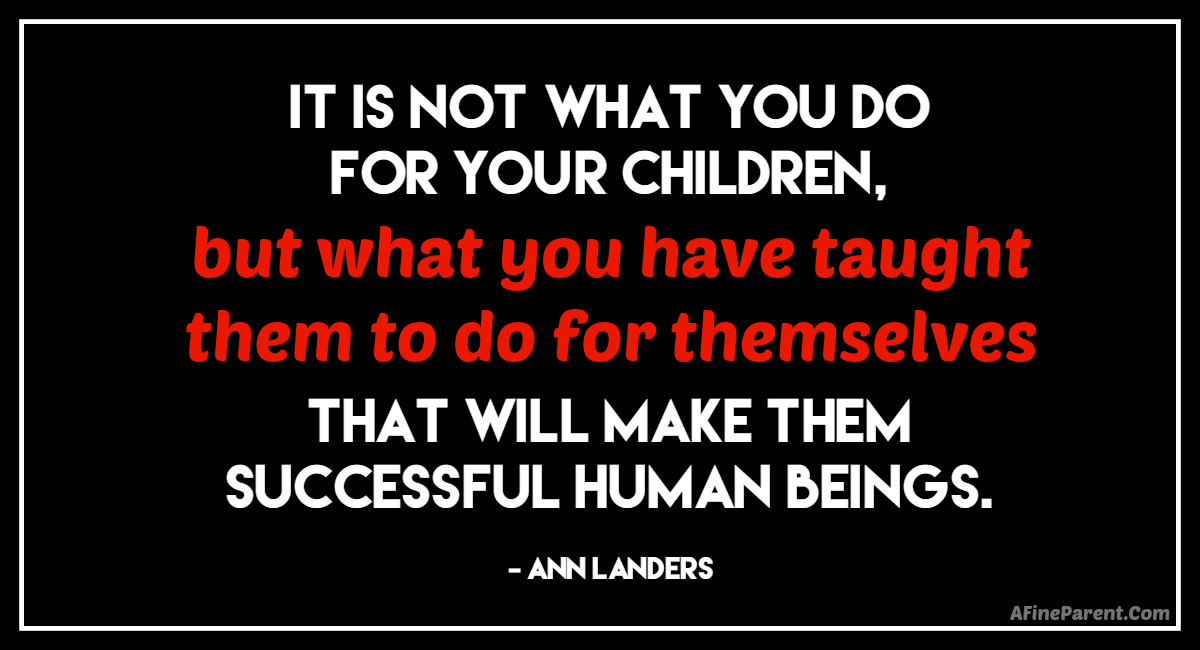
“The first step to teaching your kids how to handle money is being a good example.” – Dave Ramsey

first step in handling money

My children are adults , living away from home for the past  five years. I am so proud that they are independent. One of my greatest fears was dying young just like my mother. I wanted my children to be able to stand on their own even at a young age. I believe that setting an example was the key to teaching them about financial responsibility. Today, I can look back and reflect on the ways I brought them up.

I believe that kids need to learn how to manage their money in order to gain financial freedom no matter their chosen careers. So even if they will turn out to be writers or a chef, they will know how to manage their income and expenses. Money management started when they were little kids. It meant that they couldn’t demand to covet the latest gizmos and gadgets. They knew our priorities and often understood our reasons. My kids never acted like spoiled brats when I told them “no, we can’t buy that right now. Maybe some day. Or let me save for it first.”

Teaching my girls kids about financial responsibility meant setting a budget — and deciding what to do when they miss their own guidelines. When the girls were still in their high school and elementary years, I gave them  lunch allowance twice a week. I did this because I wanted them to know how to handle money. The rest of the week, I gave them packed lunch which also results to savings.

successful human beings

There was never a need to buy branded toys, gadgets or clothes. If they wanted something for Christmas, it was always within our budget. The best way to encourage sound spending habits was to exhibit them. When we went to the mall, it was mostly to buy books that I could afford. Books are so expensive. I recall the books I could only afford was the “Little Golden Book” , a popular series of children’s books. I discouraged impulse buying.

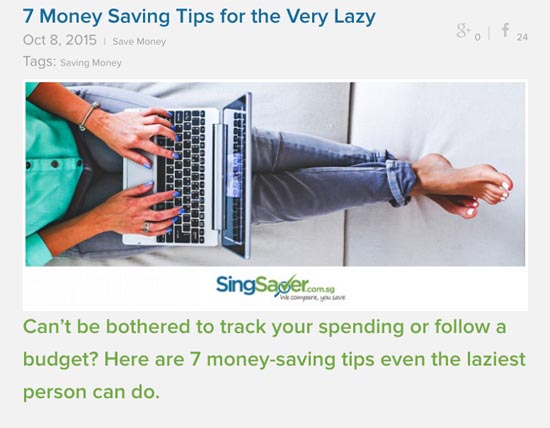
As college students, I gave a weekly allowance for food. I wanted them to learn budgeting for the week. Pretty soon, they graduated from college. As soon as they started earning, they bought their own clothes and saved the rest of their salary.  One daughter saved enough for a downpayment on a pre-selling condominium which she moved in two years ago. Today, she works for a financial comparison startup company and even wrote an article on 7 Money Saving Tips for the Very Lazy. My other daughter saved enough money for her plane fare to move to Australia for work and study.

money saving tips1

What students can do

It is only right that children learn about stretching their allowance and saving as much as they can. Learning to save money while they are still in school can help students become financially responsible by the time they join the workforce. I know my children did.

Check out ten  easy money saving tips for students.

  1. Set a weekly or monthly budget based on your allowance. Use an old notebook where you can record all your expenses.  Keeping track of where your money goes can help you understand your spending patterns.  It’s a good idea to keep all receipts of purchases for easier recording. You can analyze your spending behavior and find ways to cut down on necessary expensess
  2. Learn to differentiate wants from needs. Wants are things that you can live without while needs are basic necessities and vital things that can help you achieve your goals. Make needs your top priority.
  3. Bring your own snacks and lunch to school instead of buying from the school cafeteria.
  4. Buying ready meals on a regular basis can be quite expensive. If you’re staying in a dorm or an apartment that has cooking provisions, you can share the cost of buying groceries with your housemates. Cook your own food instead of eating at fast food joints and restaurants.
  5. Limit the number of times you go to the mall with your friends and classmates.  It’s alright to relax and unwind from time to time especially after a hectic week in school but take note that frequent mall visits can make you prone to impulse purchases.  When you’re at the mall, you are likely to spend money on food, movies and shopping.
  6. When you’re out shopping, make it a point to look around first and compare prices.  If you find products of the same quantity and similar quality, it is practical to go for the cheapest option.
  7. Set a limit to your mobile phone usage especially if you’re a prepaid user. Be conscious of your calls especially if you’re paying by the minute. Keep phone conversations brief by going straight to the point
  8. Be true to yourself. Don’t pretend to be someone you’re not.  Avoid forming the bad habit of keeping up with your wealthy friends even though you’re on a very tight budget.  Real friends will not judge you based on your social status.
  9. Branded items may look cool but they can be quite expensive.  Don’t blow your allowance on a pair of branded shoes or a branded dress. No need to go to premium stores. You can still look trendy by wearing generic clothing. You can score inexpensive clothes in department stores and discount retail centers.
  10. Earn extra cash doing part time work that will not affect your studies. Many students make money filling out online surveys during their free time.  There are companies that pay people to answer surveys and test new products. Use your skills and talents to earn additional cash. If you’re good with children, you can consider babysitting for a relative, friend or neighbor. If you’re good in academics, you can offer tutorial services for other students. Perhaps you can apply as a research assistant for someone in the faculty. If you’re good in baking, you can accept orders of baked goodies from family and friends.   Put your good writing skills to use by writing paid articles for websites. If you’re an athlete or good in a certain sport, you can teach other kids how to play the sport. There are many possible jobs that you can do on the side. Explore your knowledge and special skills to determine what type of part time work you can apply for.  Just make sure that your studies remain your top priority.